Hiring Gen Z
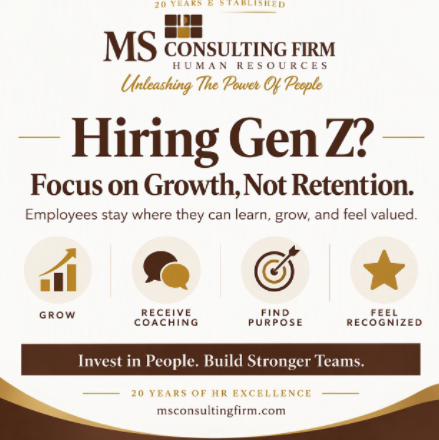
Hiring Gen Z: What Small Businesses
Can Learn from Chick-fil-A’s Approach
to Employee Retention
Why Are So Many Employers Struggling to Retain Gen Z Employees?
Have you noticed that younger employees often leave positions sooner than expected?
Many business owners assume Gen Z employees lack loyalty. But what if the issue is not loyalty at all? What if they are simply looking for something different from work than previous generations?
Today’s workforce includes many employees who value growth, skill development, meaningful work, flexibility, and clear communication. Organizations that understand these expectations are often better positioned to attract and retain talent. Rather than focusing on age stereotypes, employers should focus on creating an environment where employees of all generations can succeed.
What Is Chick-fil-A Doing Differently?
One reason Chick-fil-A is frequently discussed in workforce and leadership conversations is its emphasis on employee development and culture.
According to leadership experts who have studied the company, many Chick-fil-A operators view their restaurants as places where employees can develop leadership skills, gain workplace experience, and prepare for future opportunities. The company has publicly highlighted leadership development, mentoring, and growth opportunities as part of its culture. Sources also note that many of their restaurant team members are from Gen Z age groups.¹²³
Instead of asking:
“How do we get employees to stay?”
They appear to ask:
“How do we help employees grow?”
That shift in thinking can make a significant difference.
What Does Gen Z Want From Employers?
Rather than making assumptions about any age group, employers should focus on what many candidates consistently request during interviews:
- Career growth opportunities
- Meaningful work
- Clear expectations
- Coaching and feedback
- Recognition for contributions
- Flexible scheduling when possible
- A positive workplace culture
- Development of transferable skills
If your employees viewed your organization as a place that invested in their future, how might that impact retention and engagement?
Four Lessons Businesses Can Apply Today
1. Create Growth Opportunities Early
Employees often decide whether they envision a future with an organization within the first few months.
Ask yourself:
What opportunities do new hires see after their first 90 days?
Even small businesses can offer:
- Cross-training
- Mentoring
- Leadership projects
- Skill-building workshops
2. Build a Coaching Culture
Many employees want managers who coach rather than simply supervise.
Consider asking:
How often are managers discussing employee goals instead of only job performance?
Regular check-ins help employees feel seen, heard, and supported.
3. Recognize Progress Frequently
Recognition does notalways require large budgets.
Simple examples include:
- Public appreciation
- Employee spotlights
- Growth milestones
- Handwritten thank-you notes
- Development achievements
People are more likely to stay where they feel valued.
4. Connect Work to Purpose
Employees often want to understand how their work contributes to something bigger.
Ask:
Would our employees be able to explain why their role matters to customers, teammates, and our mission?
Purpose helps create engagement across all generations.
The Real Retention Question
The conversation should never be about how to manage one age group differently than another.
Instead, employers should ask:
What workplace experience are we creating that encourages talented people to grow, contribute, and remain with our organization?
Organizations that invest in development, communication, recognition, and culture often see stronger retention outcomes regardless of age.
Final Thoughts
The businesses winning today’s talent market are not simply filling positions. They are creating workplaces where people want to build skills, contribute meaningfully, and grow professionally.
If retaining employees feels challenging right now, perhaps the better question is:
What would have to change about the employee experience for people to choose to stay?
That answer may reveal your greatest retention opportunity.
Let’s Connect
📞 Schedule a complimentary workforce strategy consultation.
Together, we’ll uncover what’s working, what’s not, and what opportunities may exist to strengthen your employee experience and retention efforts.
MS Consulting Firm LLC
Helping businesses hire smarter, retain longer, and build stronger teams.
Sources: Public reporting on Chick-fil-A culture, development programs, and workforce practices, including Inc., Chick-fil-A Careers, and leadership interviews.¹²³
Recent Comments