Do You Use a Payroll Platform? Why HR Consultants Help Enhance Compliance
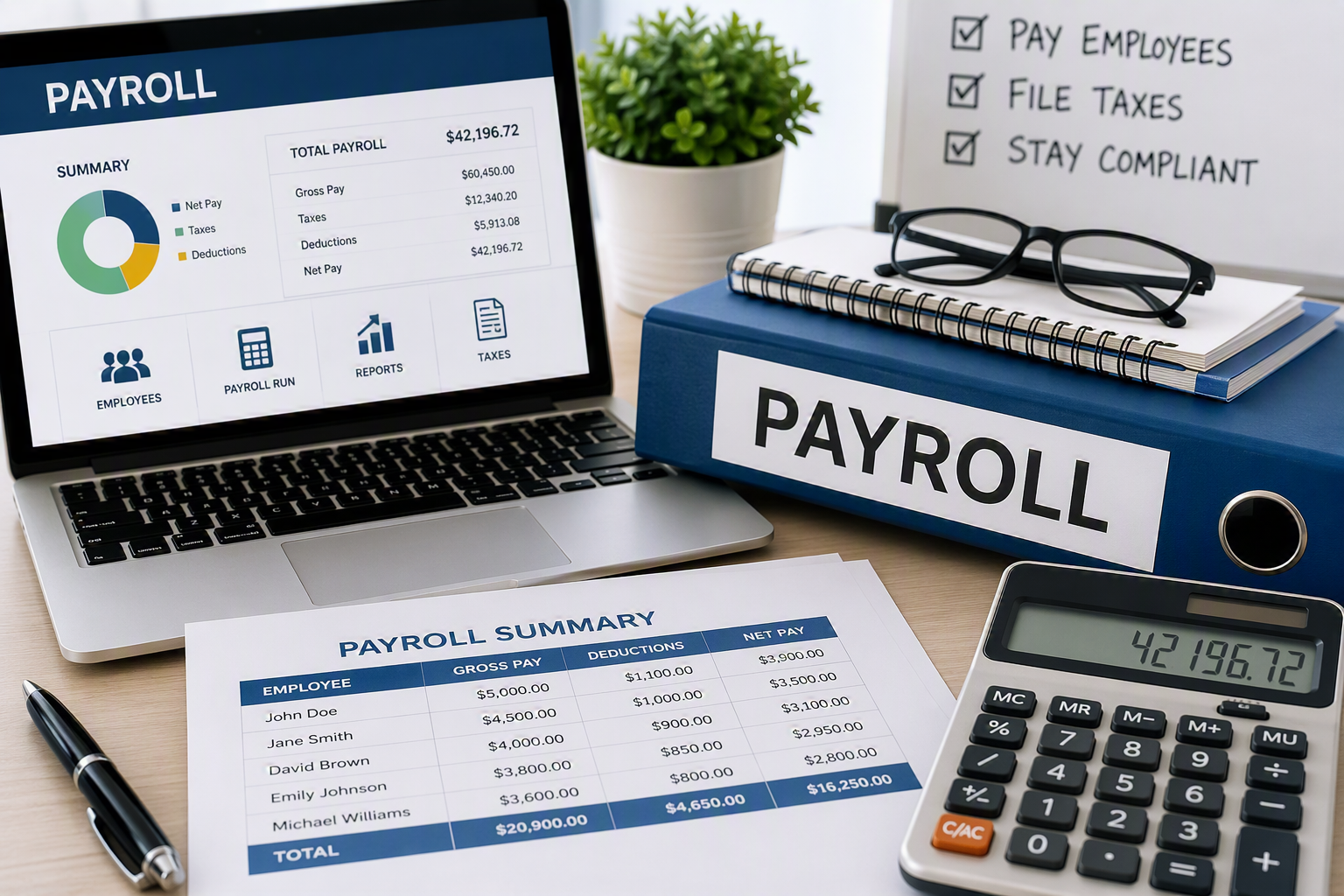
Many business owners believe that once they implement a payroll platform, compliance is automatically handled. While modern payroll systems are powerful tools that streamline payroll processing, tax withholding, direct deposits, and reporting, they are not a substitute for strategic HR expertise.
Payroll software can process the information entered into the system—but it cannot determine whether your policies, employee classifications, wage practices, and HR procedures comply with changing federal, state, and local regulations.
This is where HR consultants provide tremendous value.
Payroll Software Is a Tool—Not a Compliance Strategy
Today’s payroll platforms offer automated features such as:
- Payroll processing
- Tax calculations
- Time and attendance integration
- Employee self-service portals
- Benefits deductions
- Payroll reporting
- Direct deposit administration
However, these systems rely on accurate inputs and proper configuration. If incorrect information is entered or policies are not compliant, the software can unknowingly process errors that expose your organization to financial penalties and legal risk.
Common Compliance Risks Payroll Software Cannot Solve
1. Employee Misclassification
One of the most frequent compliance issues businesses face is the misclassification of employees.
Examples include:
- Exempt vs. non-exempt employees
- Employee vs. independent contractor classifications
- Full-time vs. part-time eligibility determinations
Payroll systems cannot independently determine proper classifications. An HR consultant can review job duties, pay structures, and employment relationships to ensure classifications align with applicable regulations.
2. Wage and Hour Compliance
Incorrect overtime calculations, meal and rest break violations, and failure to track hours properly can create significant liability.
An HR consultant helps organizations:
- Review pay practices
- Audit timekeeping procedures
- Ensure overtime compliance
- Identify potential wage and hour risks
- Update policies and employee handbooks
3. Multi-State Employment Challenges
As remote work continues to grow, businesses often have employees working across multiple states.
This creates complexities involving:
- State tax requirements
- Paid leave laws
- Minimum wage regulations
- Workers’ compensation requirements
- Employment posters and notices
Payroll software may process taxes, but HR consultants help identify regulatory obligations before violations occur.
4. Employee Handbook Compliance
A payroll platform cannot create compliant workplace policies.
HR consultants regularly review and update:
- Employee handbooks
- Workplace policies
- Leave management procedures
- Harassment prevention policies
- Performance management practices
Having current policies helps reduce risk and creates consistency across the organization.
5. Leave and Accommodation Management
Compliance surrounding:
- FMLA
- ADA accommodations
- State paid leave programs
- Pregnancy accommodations
- Military leave
Can be highly complex.
Payroll systems may track time off balances, but HR consultants provide guidance on eligibility, documentation, interactive processes, and employer obligations.
Benefits of Partnering with an HR Consultant
Proactive Risk Reduction
HR consultants identify compliance gaps before they become costly issues. Through audits and policy reviews, organizations can address vulnerabilities early.
Expertise in Changing Regulations
Employment laws evolve constantly. HR consultants stay informed on changes affecting employers and help implement necessary updates.
Customized Guidance
Unlike payroll systems that apply standardized processes, HR consultants provide solutions tailored to your company’s:
- Industry
- Workforce size
- Geographic location
- Growth strategy
- Organizational culture
HR Strategy Beyond Compliance
An HR consultant’s role extends beyond legal compliance.
They can assist with:
- Talent acquisition
- Employee retention
- Performance management
- Compensation planning
- Leadership development
- Organizational restructuring
Payroll Platforms and HR Consultants Work Better Together
The most successful businesses don’t choose between technology and human expertise—they leverage both.
Think of your payroll system as the engine that processes data efficiently. Your HR consultant serves as the navigator who ensures the organization stays on the correct path and avoids regulatory pitfalls.
Together, they create a stronger compliance framework that protects your business while supporting employees.
Final Thoughts
A payroll platform is an important investment, but it should not be viewed as a comprehensive compliance solution. Employment laws are complex, frequently changing, and often require interpretation that software alone cannot provide.
Partnering with an experienced HR consultant helps ensure your business remains compliant, minimizes risk, and builds a foundation for sustainable growth.
If your organization relies solely on payroll software to manage compliance, it may be time to evaluate whether you have the right HR expertise supporting your business.
Recent Comments